Nail Shape Chart: 10 Shapes Explained and How to Choose Yours
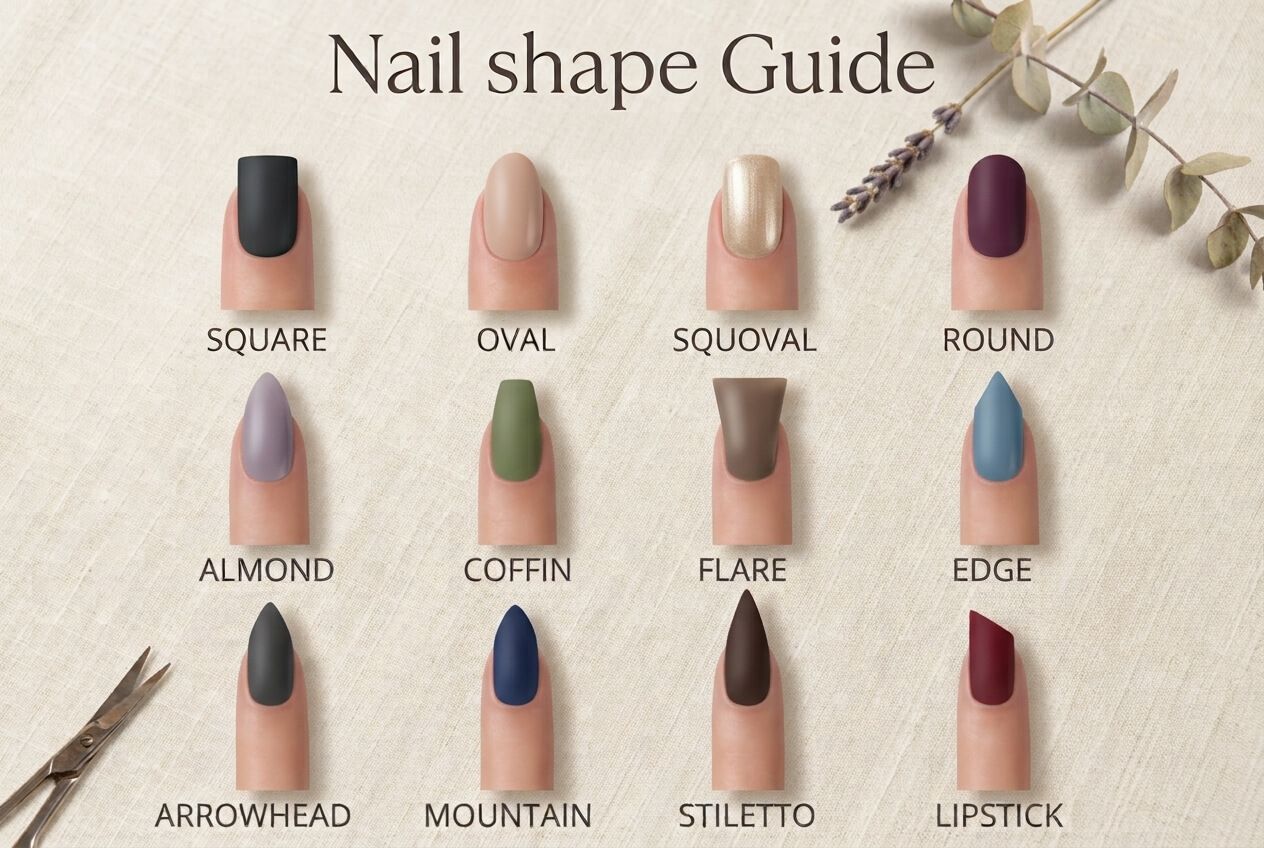
Standing at the salon counter when the technician asks "what shape do you want?" — and going completely blank — is exactly the problem a nail shape chart exists to solve. It puts every silhouette side by side so you can compare before anyone picks up a file.
There are 10 main shapes worth knowing: round, square, oval, squoval, almond, stiletto, coffin (also called ballerina), flare, lipstick, and arrowhead. This guide walks through the full nail shape chart one shape at a time, then matches each silhouette to hand type, lifestyle, and filing technique, so you can answer that question with certainty instead of nodding and hoping.
What Is a Nail Shape Chart?
A nail shape chart is a visual reference that displays the most common nail silhouettes in one place, usually alongside notes on ideal length, filing technique, and recommended hand type. Think of it as a menu for your manicure.
Most charts include between 8 and 12 shapes. The core list professionals work from covers round, square, oval, squoval, almond, stiletto, coffin, flare, lipstick, and arrowhead, according to NailBold's 2026 guide. Some charts add mountain peak or edge shapes for editorial looks — specialty silhouettes most people will never wear outside a photoshoot.
Here's the part beginners tend to miss: the chart is the starting point, not the answer. A shape that looks incredible on a model with long fingers can look blunt or disproportionate on a short nail bed. Your hands are the filter.
The Complete Nail Shape Chart
| Shape | Tip & sides | Best length | Best for | Upkeep |
|---|---|---|---|---|
| Round | Softly curved tip natural sidewalls | Short | Active hands/wide beds/beginners | Low |
| Square | Flat tip crisp 90° corners | Short–medium | Long narrow fingers/French tips | Medium |
| Oval | Evenly rounded tip gentle taper | Medium | Short or wide fingers | Low–medium |
| Squoval | Flat edge with softened corners | Short–medium | Nearly every hand type | Low |
| Almond | Tapered sides to a soft point | Medium–long | Short wide beds /elegant sets | Medium |
| Coffin | Tapered sides flat squared tip | Long | Bold art extensions | High |
| Stiletto | Strong taper to a sharp point | Long | Editorial special occasions | High |
| Lipstick | Asymmetric diagonal cut | Medium–long | Fashion-forward detail | High |
| Flare | Sides widen toward the tip | Medium–long | Retro statements | High |
| Arrowhead | Angled sides to a triangular point | Long | Editorial looks | High |
Length needs and upkeep levels are general guidance — results vary with your nail strength and the technique used to build the shape.
Every Nail Shape on the Chart, Explained
Round Nails
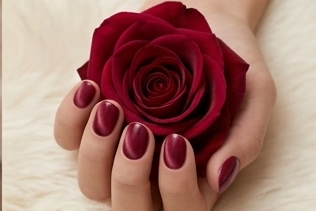
Round follows the natural curve of your fingertip — no straight edges, no corners to catch on fabric or screens. It is the lowest-maintenance shape on the entire chart and one of the most durable, because there is no weak point anywhere along the edge. If your hands are constantly in water, or you type for a living, round asks the least of you and gives back the most wear.
Best for: short nails, wide nail beds, active hands, absolute beginners.
Filing tip: stay close to the sides of the nail bed, then round off gently at the free edge — no tapering, no squaring
Square Nails
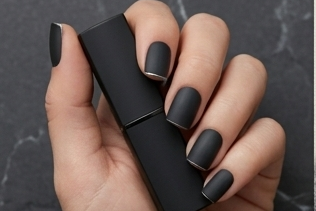
A completely flat tip with corners filed at a strict 90-degree angle — that's square. The look is clean, modern, and unapologetically structured. It rewards precise filing and punishes sloppy filing, because with no curve to hide behind, every wobble shows.
Geometry cuts both ways. A 90-degree corner is a stress point, and stress points chip first, which is why square carries the highest breakage risk of the ten shapes on this chart. It suits long, narrow fingers, where the tip width balances slender proportions. On short or wide beds, square can make fingers look boxier and shorter than they are.
Best for: long narrow fingers, strong natural nails, graphic French tips.
Oval Nails
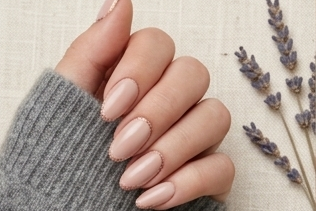
Think of oval as a longer, more elongated round. The sides stay relatively straight before curving into a rounded tip, mirroring the shape of a healthy nail bed rather than narrowing it. The gentle curve creates the illusion of length on shorter fingers better than almost any other silhouette, which is why oval shows up on nearly every "most flattering" list.
Medium length is where oval performs best. Too short and the curve barely registers; too long and it drifts into almond territory without meaning to.
Best for: short or wide fingers, wide nail beds, classic polished looks.
Squoval Nails (Also Called Soft Square)
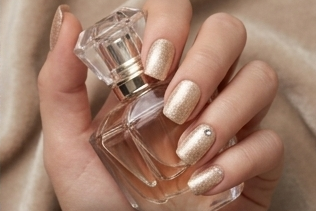
Squoval, soft square, and square round are the same shape wearing three different names: a flat tip with the corners softened into a gentle curve instead of a sharp right angle . You have probably asked for one and received another without noticing.
That trade-off explains why squoval has quietly become one of the most requested shapes in salons. You get the structure of square minus the corner that catches on everything and chips first, and the softened corner forgives variation in nail bed width that a true square cannot. It holds its shape longer and suits nearly every hand — the quiet workhorse of any nail shape chart.
Best for: almost everyone; the safest stylish default.
Almond Nails
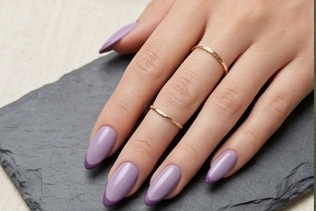
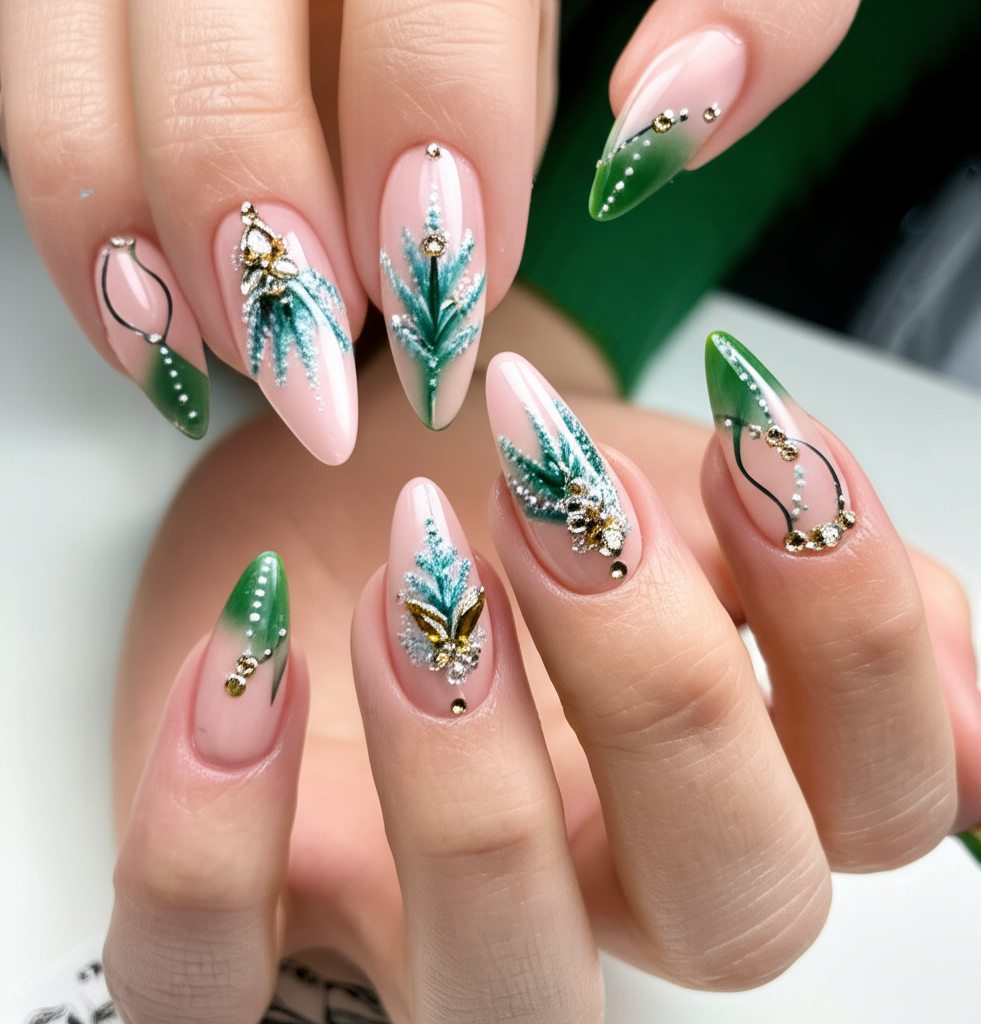
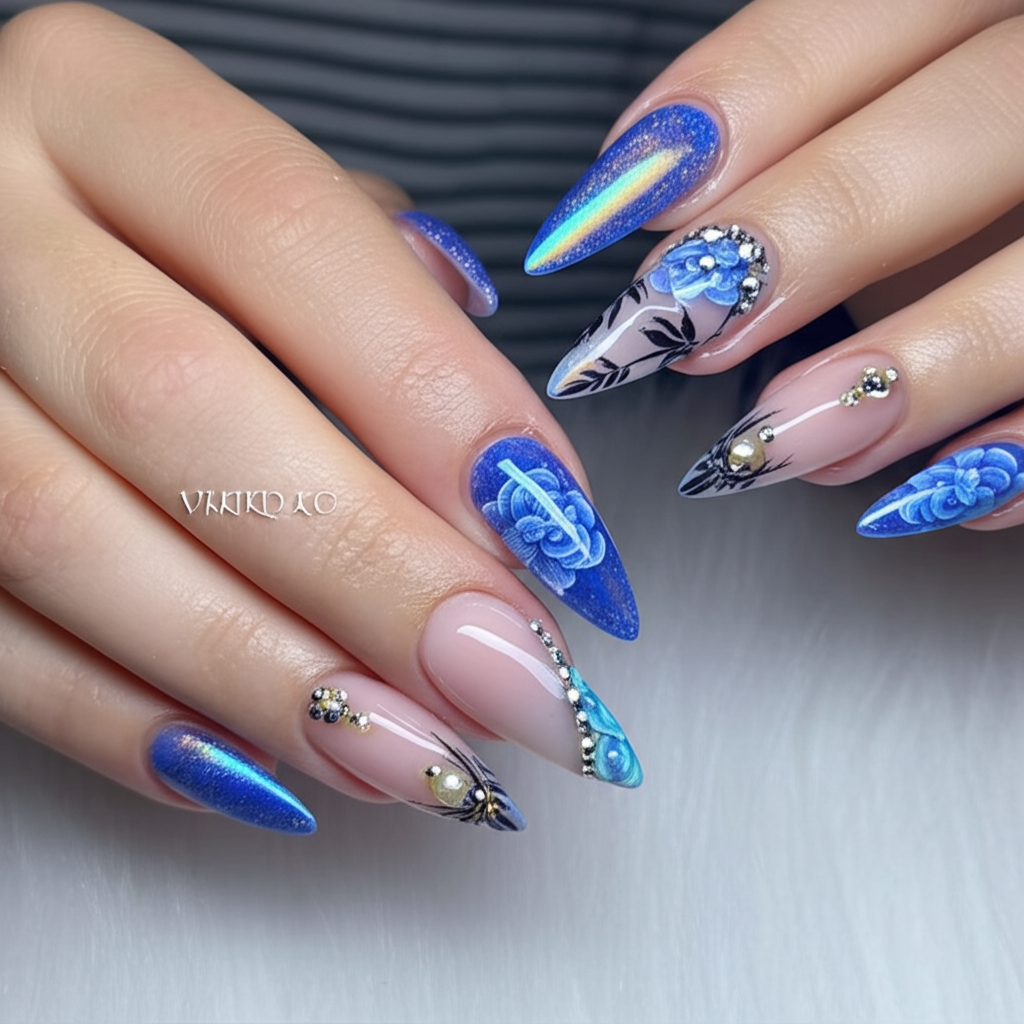
The sides file inward from the base and meet at a rounded, slightly pointed tip — shaped very much like the nut it is named after. That taper creates strong elongation, making fingers look longer and slimmer, which is why almond is the default recommendation from many nail technicians: it flatters the widest range of hands.
Two honest caveats, though. Almond needs length to exist at all — typically 3–5mm of free edge beyond the fingertip, or the shape simply cannot form. And because the taper thins the nail's width, almond is weaker than round or squoval at the same length. File the sidewalls gently to keep thickness, and if your nails run fragile, a builder gel overlay adds the structural support the shape demands.
Best for: short wide beds that want elegance, medium-to-long sets, nail art with a slim canvas.
Coffin Nails (Ballerina)
Coffin tapers like almond but stops at a flat, squared-off tip — the silhouette of a coffin, or a ballet slipper, hence both names. It is the dominant shape in TikTok nail content: the flat tip gives nail art a clean canvas and the length reads dramatically on camera .
Know the weak spot. Those squared-off corners catch and break more easily than rounded silhouettes, which is why most long coffin sets are built on acrylic or builder gel extensions rather than natural nails.
Best for: long fingers, statement sets, event-worthy extensions.
Stiletto Nails
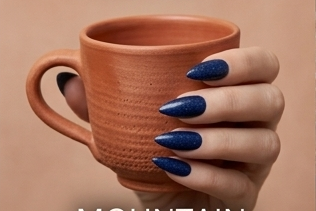
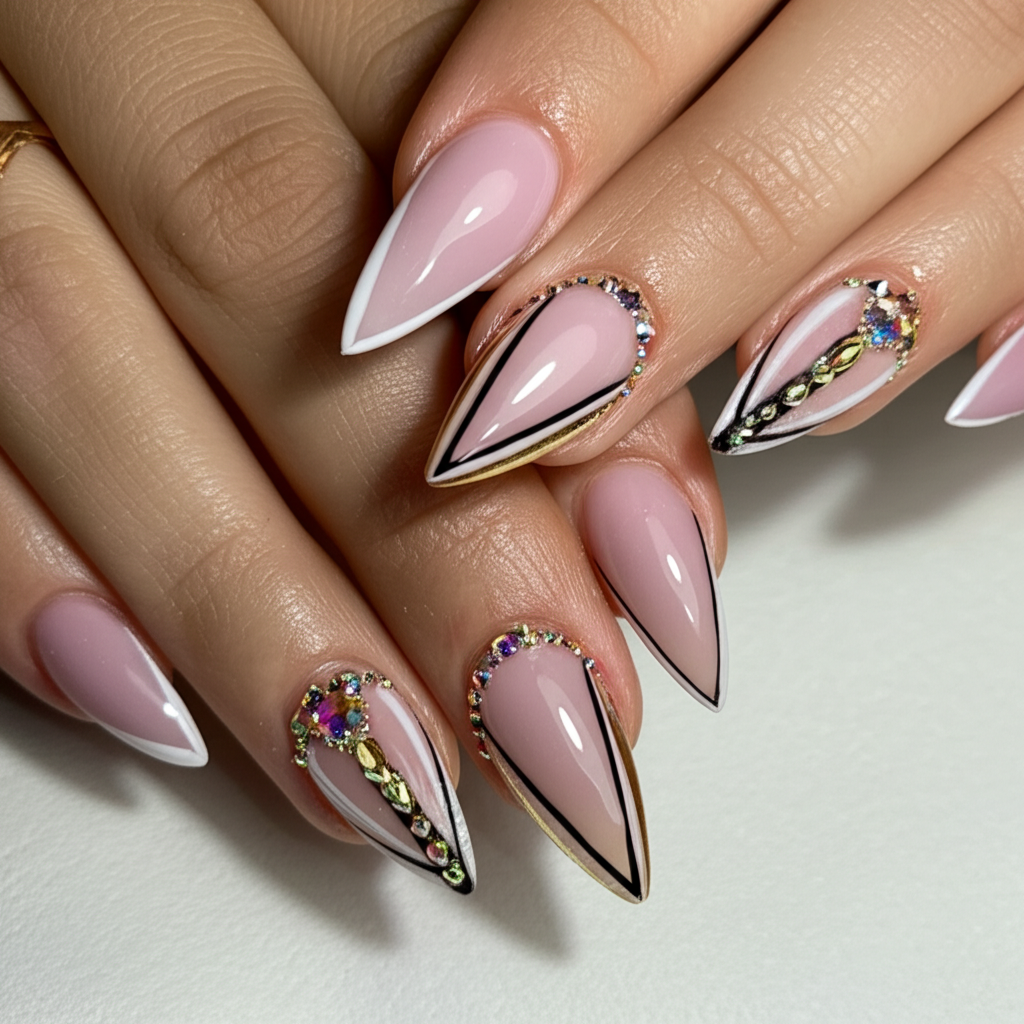
Maximum impact, minimum practicality. Stiletto files the taper all the way to a sharp point, and the result is striking — but typing, opening cans, and daily chores all become surprisingly intense. This shape needs long extensions, almost always acrylic or gel, and belongs to special occasions more than everyday life.
Best for: long fingers, editorial work, short-lived drama.
Lipstick, Flare, and Arrowhead
The remaining three silhouettes on the nail shape chart are statement shapes. Lipstick is an asymmetric diagonal cut, like a lipstick bullet. Flare (or duck) runs wider at the tip than the base for a retro effect. Arrowhead is a sharp triangular point with angled sides. All three are advanced shapes that usually require extensions and a professional's steady hand — worth knowing from the chart, rarely worth booking blind.
How to Match a Shape to Your Hands
The chart gives you the options. Your hands pick the winner. Work through these four questions before your next appointment.
Short or wide fingers?
Oval or almond. The taper draws the eye along the length of the finger rather than across it — the same principle as vertical stripes, applied to your nails . Skip very square shapes; they emphasise width and can make short beds look even shorter .
Long, slender fingers?
Nearly anything works — slender fingers are the blank canvas of the chart. Square and coffin look especially striking because the tip width balances slim proportions.
Wide nail beds?
Oval, almond, or squoval. All three create a slimmer, more elongated look; square on a wide bed emphasises exactly what you are trying to play down.
Knuckle-prominent hands?
Softer shapes. Hard square edges make prominent knuckles look more angular, while oval or round softens the overall line of the hand.
Your Lifestyle Is Half the Decision
The most flattering shape in the world becomes frustrating if it breaks every three days. Whatever the chart says about your hand type, the shape still has to survive your actual week.
- Typing, cooking, manual work, gym: round, squoval, or medium oval. Short-to-medium length, no corners to snag.
- Desk-based days: medium almond, oval, or coffin work fine — keep the length reasonable and the corners soft.
- Weddings, events, photoshoots: stiletto and lipstick territory. You are not living in them for months, so drama is affordable.
- Low-maintenance preferences: round and squoval grow out most gracefully. Square corners start looking unkempt quickly, and almond and coffin need regular filing to hold their silhouette.
Filing Tips That Protect the Shape
- File in one direction only. Back-and-forth sawing creates micro-tears in the nail plate that lead to splitting.
- Work with your natural asymmetry. Most people's left and right nail beds differ slightly — file each nail to match its own shape instead of forcing ten identical silhouettes.
- Step up gradually. Never worn almond? Jumping straight to extra-long stiletto is a lifestyle shock. Try medium almond first.
- Reshape every 2–3 weeks. Between manicures, keep a file handy for rough edges and moisturise daily — well-hydrated nails resist breaking better than dry, brittle ones .
- Don't skip base coat. Shape is the visual choice; base coat is what keeps the manicure underneath it from staining and weakening.